
What is Za’atar?
Za’atar is a Middle Eastern spice blend made from thyme, sumac, sesame seeds, and oregano. The blend originated in the Levant region and has been used in traditional cooking for centuries. Za’atar delivers a tangy, herbal, nutty flavor profile that brings brightness and depth to dishes. The sumac provides tart citrus notes, while the thyme and oregano add earthy warmth. Toasted sesame seeds contribute a rich, nutty finish. Za’atar works as both a finishing spice and a cooking ingredient in Mediterranean and Middle Eastern cuisines.
How do I use Za’atar?
Mix za’atar with olive oil to create a dipping sauce for fresh bread. Sprinkle the blend over hummus, labneh, or yogurt before serving. Rub za’atar onto chicken, lamb, or fish before roasting or grilling. Toss roasted vegetables with olive oil and za’atar during the last few minutes of cooking. Stir za’atar into scrambled eggs or sprinkle over avocado toast. Add the blend to salad dressings for a tangy, herbal kick. Mix za’atar with softened butter and spread on warm flatbread.
What does Za’atar taste like?
Za’atar tastes tangy, herbal, and nutty. The sumac provides bright, lemony tartness without acidity. Thyme and oregano add savory, earthy depth with a slight bitterness. Sesame seeds bring roasted nuttiness and textural interest. The flavor is complex but balanced, with no single ingredient overpowering the others. Za’atar adds a Middle Eastern character to dishes without heat or spice. The aroma is fresh and green with toasted, slightly floral notes.
What are the health benefits of Za’atar?
Traditional Middle Eastern herbalism values za’atar as a digestive aid and tonic. Thyme has been used historically to support respiratory health and soothe coughs. Sumac appears in traditional medicine as a source of antioxidants. Sesame seeds provide healthy fats, protein, and minerals in folk nutrition practices. Many households in the Levant region serve za’atar at breakfast, believing it sharpens mental clarity. These are traditional uses passed down through generations, not medical claims.
How should I store Za’atar?
Store za’atar in an airtight container away from direct sunlight and heat. The blend stays fresh for up to one year when stored properly. Keep the container sealed between uses to preserve the aromatic oils in the herbs. Avoid storing za’atar near the stove or in humid environments, as moisture degrades the sesame seeds and herbs. Check for freshness by rubbing a pinch between your fingers and smelling it. The aroma should be bright and herbal, not stale or musty.
What goes well with Za’atar?
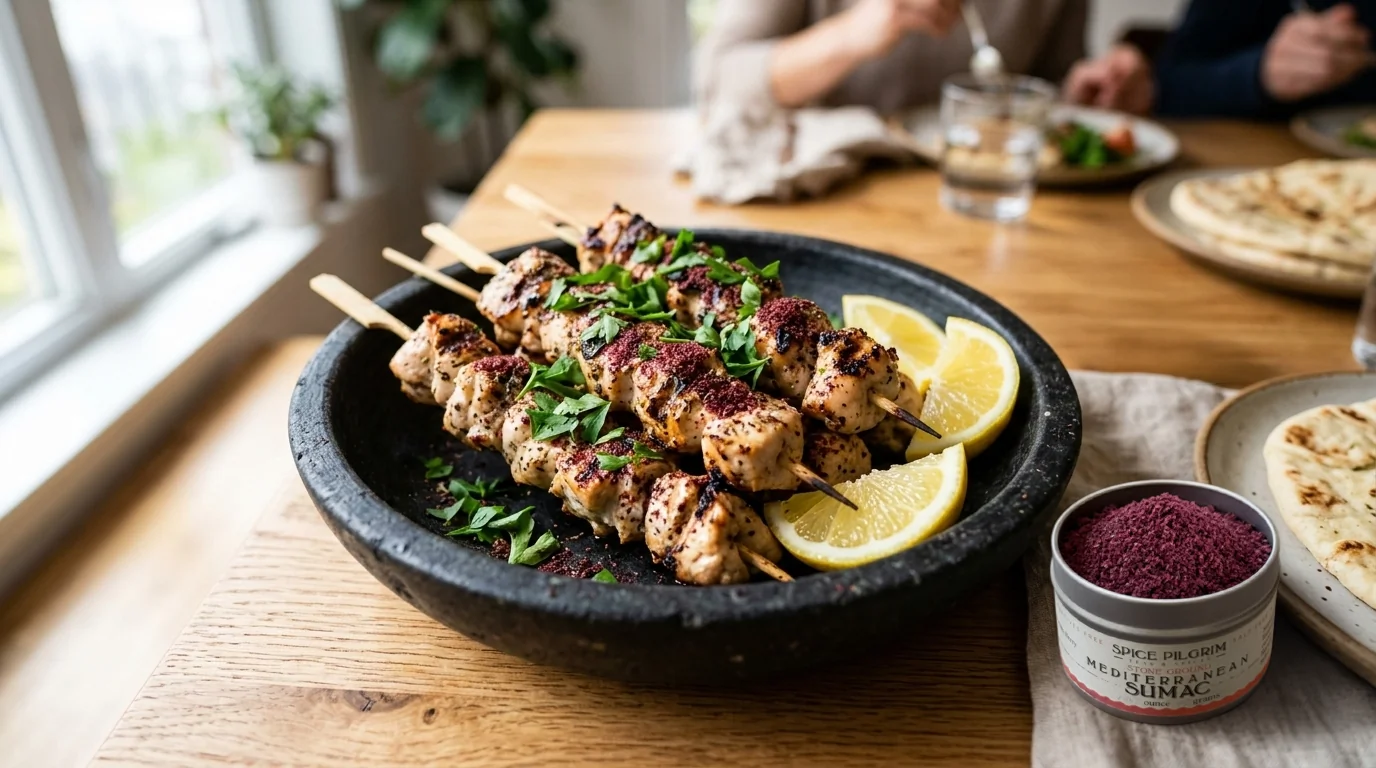
Za’atar pairs with olive oil for the classic manakeesh topping or bread dip. The blend complements creamy dairy products like labneh, yogurt, feta cheese, and fresh mozzarella. Za’atar works with roasted vegetables including eggplant, cauliflower, carrots, and chickpeas. Combine za’atar with lemon juice for marinades and dressings. The blend enhances grilled or roasted proteins including chicken, lamb, white fish, and halloumi cheese. Za’atar pairs with other Mediterranean spices like Sumac on its own, Aleppo Pepper, and Cumin Seeds.
How much Za’atar should I use?
Use 1-2 tablespoons of za’atar mixed with 3-4 tablespoons of olive oil for a bread dipping sauce. Sprinkle 1-2 teaspoons over individual servings of dips, yogurt, or salads. For roasted vegetables, toss 1-2 tablespoons of za’atar with oil for every pound of vegetables. Rub 1-2 tablespoons onto chicken or fish before cooking. Start with less and add more to taste, as the flavor intensifies when heated.
What is the difference between Za’atar and other Middle Eastern spice blends?
Za’atar focuses on herbal and tangy flavors from thyme, oregano, and sumac. Dukkah Spice Blend is a coarser mix with nuts, seeds, and warm spices, used as a crunchy topping. Baharat is a warming spice blend with black pepper, cumin, and paprika, used in cooked dishes and rubs. Ras El Hanout is a complex North African blend with sweet and savory spices including cardamom, cinnamon, and rose petals. Za’atar is milder and more herbaceous than these warming blends.
Can I make manakeesh with Za’atar?
Manakeesh is a traditional Levantine flatbread topped with za’atar and olive oil. Mix 3-4 tablespoons of za’atar with 4-5 tablespoons of olive oil to create a spreadable paste. Roll out pizza dough or flatbread dough into rounds. Spread the za’atar mixture evenly over the dough, leaving a small border. Bake at 425°F for 10-12 minutes until the edges are golden. Serve warm as a breakfast bread or snack. The za’atar topping becomes fragrant and slightly crispy during baking.
Is Za’atar gluten-free?
Za’atar made from thyme, sumac, sesame seeds, and oregano contains no gluten. The blend is naturally gluten-free and safe for those avoiding wheat, barley, and rye. Check the label to confirm the product was processed in a facility free from gluten cross-contamination if you have celiac disease or severe gluten sensitivity. Spice Pilgrim’s Za’atar contains only the four traditional ingredients with no fillers or additives.
Where does Za’atar come from?
Za’atar originates from the Levant region, including modern-day Lebanon, Syria, Jordan, and Palestine. The blend takes its name from the Arabic word for wild thyme, a plant that grows throughout the Eastern Mediterranean. Each family and region has slight variations in proportions and ingredients. Some blends include more sumac for extra tang, while others emphasize the herbal thyme and oregano. Spice Pilgrim sources high-quality thyme, sumac, and oregano to create a balanced, authentic za’atar blend.