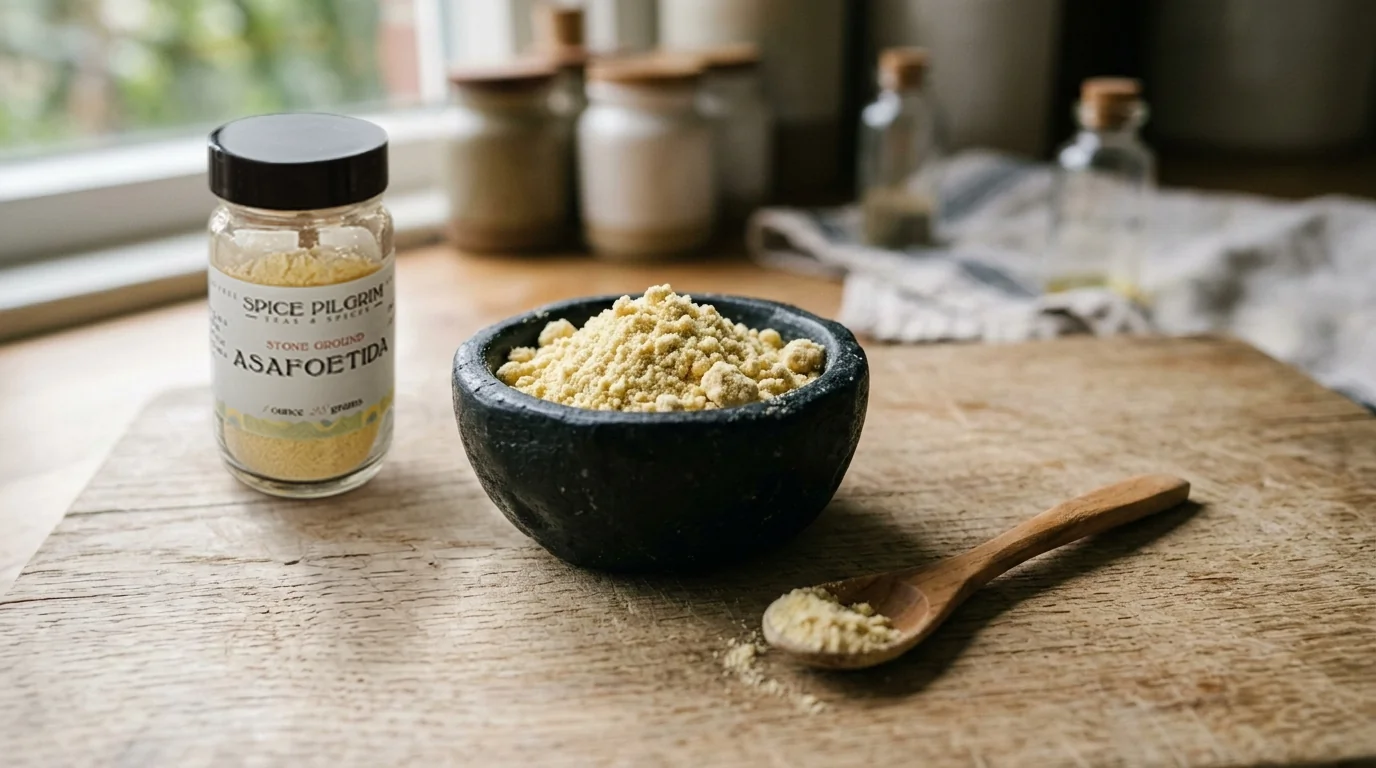


Sambar dal is a cornerstone of South Indian home cooking. This lentil-based stew balances earthy split pigeon peas (toor dal) with a tangy, aromatic spice blend that transforms everyday ingredients into a satisfying meal. The key to authentic sambar lies in the spice mix. Our Sambar Masala combines coriander seeds, chili pepper, brown mustard seeds, roasted red gram, Ceylon cinnamon, turmeric, fenugreek seeds, black peppercorn, garlic, onion, tamarind, cumin seeds, and asafoetida in precise proportions. These ingredients create the layered flavor that defines this dish.

Sambar works as a main dish with rice or as a side with dosas and idlis. The dal softens during cooking, then gets mashed lightly to create a thick, creamy base. The tempering step at the end releases the essential oils from whole spices, adding a final burst of aroma and heat. This technique, called tadka, is what separates restaurant-style sambar from homemade versions.

This recipe keeps the vegetable component simple, letting you add drumsticks, okra, eggplant, or carrots based on what you have. The Sambar Masala does the heavy lifting, delivering authentic South Indian flavor without hunting down a dozen individual spices. The blend includes tamarind, so the sourness is already built in. If you prefer more tang, add a squeeze of lemon at the end.
Serve this dal hot with steamed rice or use it as a dipping sauce for crispy dosas. Leftovers thicken as they sit, so thin with water when reheating. The flavors deepen overnight, making this an ideal make-ahead dish.

Ingredients
Main Ingredients
- 1 cup split pigeon peas (toor dal)
- 1 large red onion (thinly sliced)
- 1 large tomato (grated or puréed)
- 1 green chilli (slit lengthwise)
- 1/2 tsp ginger-garlic paste
- 1/4 tsp turmeric powder
- 2-3 tsp Sambar Masala (adjust to taste)
- 4 cups water
- 1 tbsp sugar
- salt (to taste)
For Tempering
- 1 tbsp ghee or oil
- 2 dried red chillies
- 1/2 tsp cumin seeds
- 1/2 tsp brown mustard seeds
- 1 sprig curry leaves
- 1 tbsp chopped cilantro (for garnish)
Instructions
Cook the Dal
- Wash the lentils and soak them in water for 15-20 minutes. Drain and rinse.
- Add the lentils to a pressure cooker or heavy bottom sauce pan along with the onions, tomatoes, green chilli, ginger-garlic paste, turmeric, salt, and water.
- Cover and cook until the dal is soft. Once the pressure releases, open the cooker and mash the dal lightly with the back of a spoon.
Add the Sambar Masala
- Add the Sambar Masala and sugar to the cooked dal. Bring to a boil.
- Reduce the heat and simmer for 5-7 minutes. Taste and adjust seasoning as needed.
Prepare the Tempering
- In a tempering pan, heat the ghee or oil over low flame. Add the dried red chilli and fry until it darkens.
- Add the cumin seeds and mustard seeds. When they splutter, add the curry leaves. Fry for 30 seconds.
- Pour the tempering into the simmering lentils. Continue to cook for 5 more minutes.
Serve
- Remove from heat and garnish with chopped cilantro.
- Serve hot with rice or rotis.
Notes
Tips for the Best Sambar Dal
Rinse the toor dal until the water runs clear. This removes excess starch and prevents the dal from becoming gummy. Soaking the lentils for 15-20 minutes shortens cooking time and helps them break down evenly. If you skip soaking, add 5-10 minutes to the cooking time.
The tempering step is essential. Heat the ghee or oil until it shimmers, then add the whole spices. The mustard seeds should pop within seconds. If they do not, the oil is not hot enough. Add the curry leaves last. They splutter when they hit hot oil, so stand back slightly. This final tempering infuses the dal with a smoky, nutty aroma that canned or jarred versions never achieve.
Adjust the spice level by varying the amount of Sambar Masala. Start with 2 teaspoons if you prefer mild heat. For a spicier version, use the full 3 teaspoons or add an extra dried red chili to the tempering. The sugar in the recipe balances the acidity from the tamarind in the masala. Do not skip it.
Ingredient Substitutions and Variations
If you do not have toor dal, use red lentils (masoor dal) or yellow split peas. Red lentils cook faster and break down more completely, creating a smoother texture. Yellow split peas hold their shape better and take slightly longer to soften. Both work well in sambar.
Fresh curry leaves make a difference. Dried curry leaves lose most of their aroma and do not crisp up in the tempering. If you cannot find fresh curry leaves, leave them out rather than using dried. For the tempering, substitute Cumin Seeds and Brown Mustard Seeds from Spice Pilgrim if you are building your spice collection.
Add vegetables directly to the dal while it cooks. Drumsticks, carrots, and green beans need 10-15 minutes. Eggplant and okra cook faster, so add them in the last 5 minutes. For a thicker consistency, mash the dal more aggressively with the back of a spoon. For a brothier version, add an extra cup of water.
Serving Suggestions
Sambar dal pairs naturally with steamed basmati rice. Serve it over rice with a dollop of ghee and a side of papad (crispy lentil wafers). It also works as a dipping sauce for dosas, idlis, or vadas. For a complete South Indian meal, serve sambar alongside coconut chutney and rasam.
Leftovers keep in the refrigerator for up to 4 days. The dal thickens as it sits, so add water when reheating. Reheat gently on the stovetop rather than in the microwave to preserve the texture. You can also freeze sambar for up to 3 months. Thaw overnight in the refrigerator and reheat with a splash of water.
FAQ
What is the difference between sambar and dal?
Dal refers to any dish made from split pulses or lentils. Sambar is a specific type of dal flavored with a tamarind-based spice blend, vegetables, and a tempering of mustard seeds and curry leaves. Sambar has a tangy, complex flavor, while basic dal is milder and simpler.
Can I make sambar without a pressure cooker?
Yes. Cook the dal in a heavy-bottomed pot with a lid. Bring to a boil, then reduce to a simmer. Toor dal takes 30-40 minutes to soften without a pressure cooker. Stir occasionally and add water if the dal starts to stick.
Why does my sambar taste bitter?
Bitterness usually comes from burnt spices. When tempering, keep the heat low and add the spices in order. Mustard seeds should pop, not blacken. Fenugreek seeds turn bitter if overcooked. If your sambar tastes bitter, add a pinch of sugar and a squeeze of lemon to balance the flavor.
Can I use sambar masala in other dishes?
Yes. Sambar Masala works in other South Indian dishes like bisibelebath (a rice and lentil dish), vegetable curries, and even as a dry rub for roasted vegetables. It adds depth and tang wherever you want a South Indian flavor profile.
How do I store leftover sambar dal?
Store in an airtight container in the refrigerator for up to 4 days. The dal will thicken, so add water when reheating. Freeze in portions for up to 3 months. Reheat on the stovetop with added water and a fresh tempering of mustard seeds and curry leaves if desired.